

Using e-cars in business and leasing – with MHC Mobility


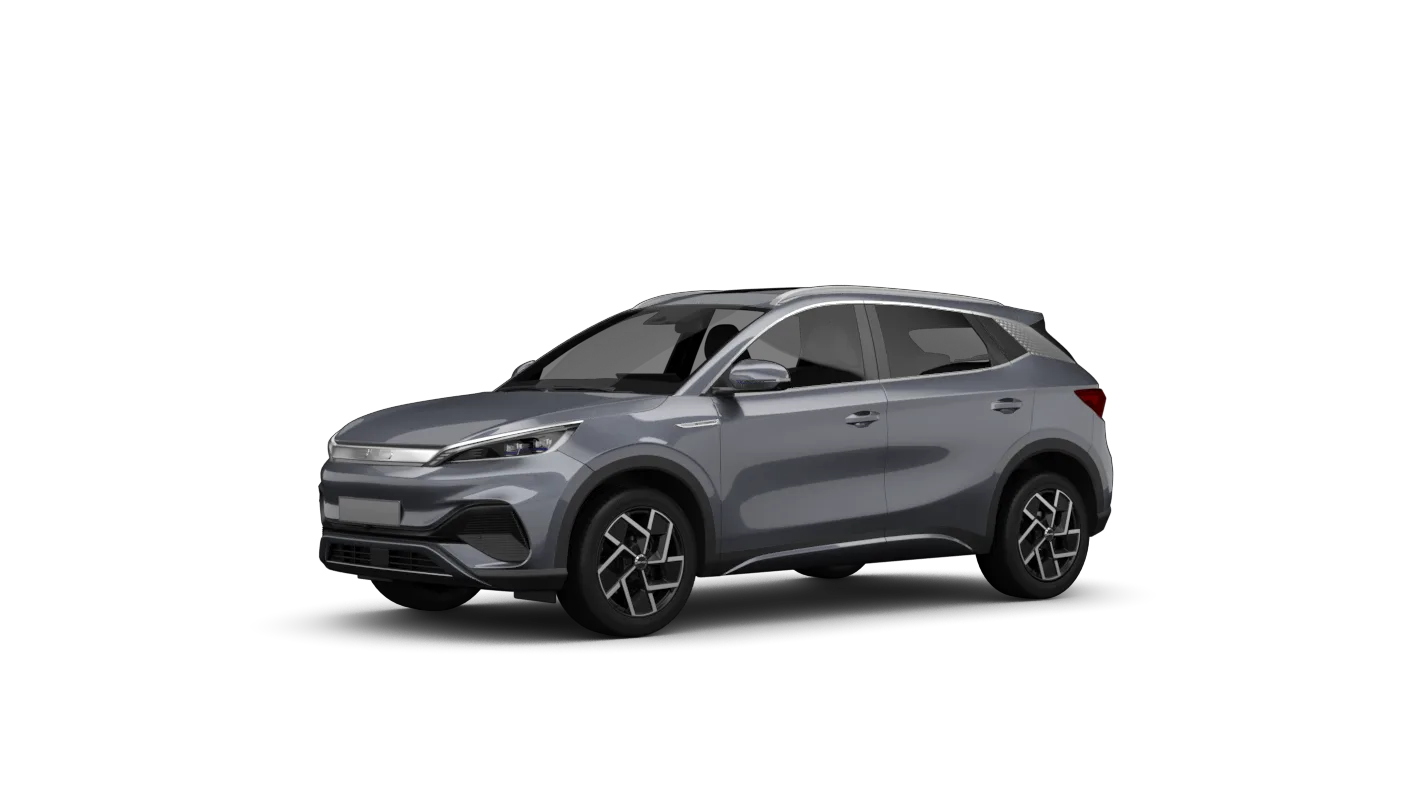


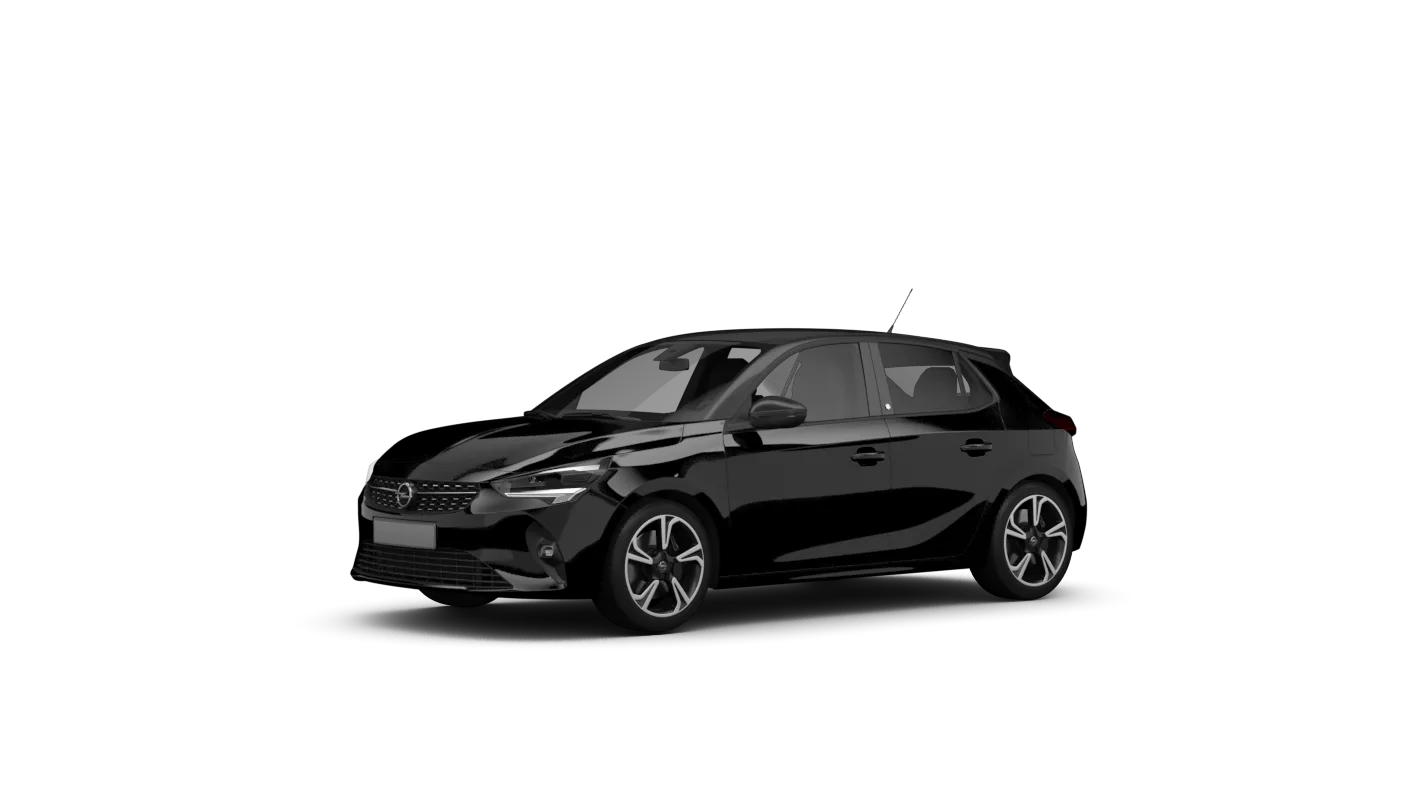
When does e-car leasing make sense for businesses?
In a dynamic business environment, unforeseen events such as a sudden increase in staff, order peaks or repairs to e-cars can make leasing particularly useful for commercial customers if vehicles are used regularly in day-to-day business and their use can be easily planned. Typical areas of use are inner-city journeys, fixed field service areas, service assignments or pool vehicles for several employees.
E-car leasing can also be a suitable solution for small businesses. Instead of tying up capital in vehicle purchases, tradespeople benefit from fixed monthly installments and retain financial leeway for their business operations. The prerequisite is a realistic usage profile and the possibility of using charging infrastructure at the company location or in the immediate vicinity. In addition, companies benefit from lower ongoing operating costs and better predictability over the entire term.
Buying or leasing an electric car in business – a factual classification
When getting started with electromobility, many companies are faced with the decision of whether to buy or lease an electric car. Buying an electric vehicle requires a high initial investment and ties up capital over a long period of time. In addition, companies bear the risk for technological developments, battery value and resale.
E-car leasing offers a structured alternative here. The costs are spread over fixed monthly installments, and vehicles can be returned or replaced at the end of the term in a predictable manner. Especially with the rapid development of battery technologies and ranges, leasing helps to reduce technological risks and keep the fleet up to date
How does leasing-related e-car use in the commercial sector work at MHC Mobility?
The leasing-related use of e-cars in the commercial sector takes place at MHC Mobility within the framework of SelectRent. The mobility solution is based on traditional leasing structures and combines these with a clear process logic and personal support.
An overview of the process for lease-related e-car use for commercial customers:
1. determination of requirements
Together, we analyze how the electric vehicle is to be used, what range is required and what running time makes economic sense.
2. vehicle selection and configuration
Commercial customers choose their desired e-car and specify the model, equipment, drive, mileage and other technical requirements.
3. definition of the scope of service
The included basic service package forms the basis. Additional services can be added on a modular basis as required.
4. conclusion of contract
Once the company documents have been checked, the leasing contract including all agreed services is concluded.
5. vehicle provision
The vehicle is registered and either delivered to the company location or handed over at an MHC Mobility Center.
6. ongoing support
MHC Mobility takes over the coordination of maintenance, tire service and other organizational issues for the entire duration of the contract.
7. return or extension of contract
At the end of the term, the vehicle is returned or the leasing contract is extended if necessary.
With SelectRent, there is no down payment and no final payment. The costs are distributed as a fixed monthly rental installment over the agreed term.
Costs for leasing-like e-car use in the commercial sector
The costs of using an electric car based on the leasing model can be clearly structured and planned for the long term. The monthly leasing rate is calculated individually and depends on several factors:
- Vehicle model and equipment
- Agreed term
- Planned mileage
- Battery capacity and range
- Selected scope of service
This structure means that e-car leasing remains transparent and easy to calculate for commercial customers. At MHC Mobility, offers for leasing-related e-car use in the commercial sector are always created individually on the basis of the specific vehicle and the planned use, not through blanket price promises.
Promotion and framework conditions for lease-related e-car use in the commercial sector
Subsidy programs and tax conditions often play a role in connection with leasing-like e-car use in business. Whether and to what extent subsidies can be used depends on the applicable legal regulations and the individual company situation.
MHC Mobility informs commercial customers about relevant framework conditions as part of the consultation. Subsidies or tax advantages are not included in leasing rates as a lump sum, but must always be considered individually.
Service and relief – use e-cars like leasing with MHC Mobility
For lease-related e-car use for commercial customers, the following is available at SelectRent a comprehensive basic service package. Many ongoing services are already included in the monthly rental rate and significantly reduce the administrative workload in the fleet. Maintenance and service are also coordinated centrally for electric vehicles, so that no additional organizational effort is required.
The included scope of services includes
- Maintenance services
- Wear and tear repairs
- Tires
- Liability insurance
- Accident prevention regulations UVV
- 24-hour emergency service
- Replacement car service
- Broadcasting fee
- Reduction of liability
- Pick-up and delivery service
- Consulting
- Vehicle tax
Consumption-related costs such as electricity are borne directly by the company, irrespective of the leasing contract.
Manufacturers, vehicle classes and application variants
In commercial e-car leasing, the focus is not on the manufacturer, but on the specific application profile. Nevertheless, many companies focus on specific brands or vehicle classes.
Within the framework of SelectRent electric models from Volkswagen or BMW, for example, can be used in a similar way to commercial e-car leasing and integrated into the fleet in a structured manner. Larger vehicle classes or special requirements such as electric 7-seaters can also be taken into account. MHC Mobility provides manufacturer-independent advice and consistently aligns the recommendation with the requirements of the commercial customer.
FAQ: Frequently asked questions about e-car leasing for businesses
E-car use based on leasing makes sense for commercial customers if vehicles are used regularly and there are predictable usage profiles. Particularly in an urban environment, electric vehicles can be easily integrated into everyday business life and calculated for the long term.
Yes, leasing-related e-car use is aimed at larger companies as well as small businesses and the self-employed. The leasing solution is individually adapted to the size of the company, deployment profile and planned term.
Yes, e-car leasing for businesses is possible nationwide. MHC Mobility supports commercial customers regardless of location and assists with the selection, configuration and integration of electric vehicles into the fleet.
Whether leasing an electric car for commercial use is perceived as cost-effective depends on the vehicle, the term, the mileage and the usage profile. MHC Mobility’s offer is calculated individually and designed for long-term economic use, not for flat-rate price campaigns.
In the case of e-car use based on the leasing model in the commercial sector, subsidy programs or tax conditions may be relevant. Whether subsidies can be used depends on the applicable legal requirements and the individual company situation. MHC Mobility provides information on the applicable framework conditions during the consultation, without making blanket commitments.
The availability of electric vehicles for commercial leasing depends on the manufacturer and the desired configuration. In the event of longer delivery times, interim solutions can be examined to ensure mobility during the waiting period.
With SelectRent from MHC Mobility, there is no down payment and no final payment. The costs are spread as a fixed monthly rental installment over the agreed term.
Yes, electric vehicles are suitable both as company cars and as pool vehicles. They can be integrated into existing fleets in a structured and plannable way.
Yes, leasing-related e-car use is also suitable for several vehicles. Electric vehicles can be efficiently integrated into the commercial vehicle fleet in the long term, especially with standardized usage profiles.
Yes, SelectRent can also configure electric vehicles from manufacturers such as Volkswagen or BMW for commercial use in a similar way to leasing.
Depending on the manufacturer’s range, larger electric vehicles or special vehicle types such as electric 7-seaters can also be considered as part of commercial leasing. The decisive factors are availability and usage requirements.
Yes, e-car leasing is suitable both for new builds and for the gradual expansion of existing fleets. Electric vehicles can be integrated in a targeted manner and incorporated into existing structures in the long term.
Non-binding request for your car subscription
Give us your contact details and we will get back to you.
Thank you very much!
We have received your information and will contact you shortly.