Long-term e-car rental: Build up an electric fleet predictably and risk-free



Why electric vehicles for long-term rental?
For many companies, the electrification of the vehicle fleet is no longer a question of if, but when and how. Long-term rental offers a way that combines predictability and flexibility without the typical hurdles of purchasing a vehicle.
No residual value risk: Electric vehicle technology is developing rapidly. Ranges are increasing, charging times are decreasing and new models are appearing in short cycles. Anyone who buys an electric car today bears the risk that the residual value in three to four years is difficult to predict. With long-term rental, this risk is completely eliminated.
No high initial investment: E-cars often have a higher list price than comparable combustion engines. Long-term rental spreads the costs over predictable monthly installments with no down payment and no capital commitment.
Gradual changeover: Not every driving profile in the company is immediately suitable for an electric vehicle. Long-term rental makes it possible to start with individual e-cars, gain experience in everyday use and then expand the fleet in a targeted manner.
Predictable total costs: All service-related costs are included in the monthly rate. As electric cars also have lower energy and maintenance costs than combustion engines, the total cost of ownership is often lower than expected.
Which electric car models are available for long-term rental?
MHC Mobility offers a cross-brand selection of electric vehicles for different purposes. Whether compact city runabout, comfortable saloon, SUV or electric van for use in low emission zones: With around 12,000 vehicles in stock, you will find the right electric car for every role in your company.
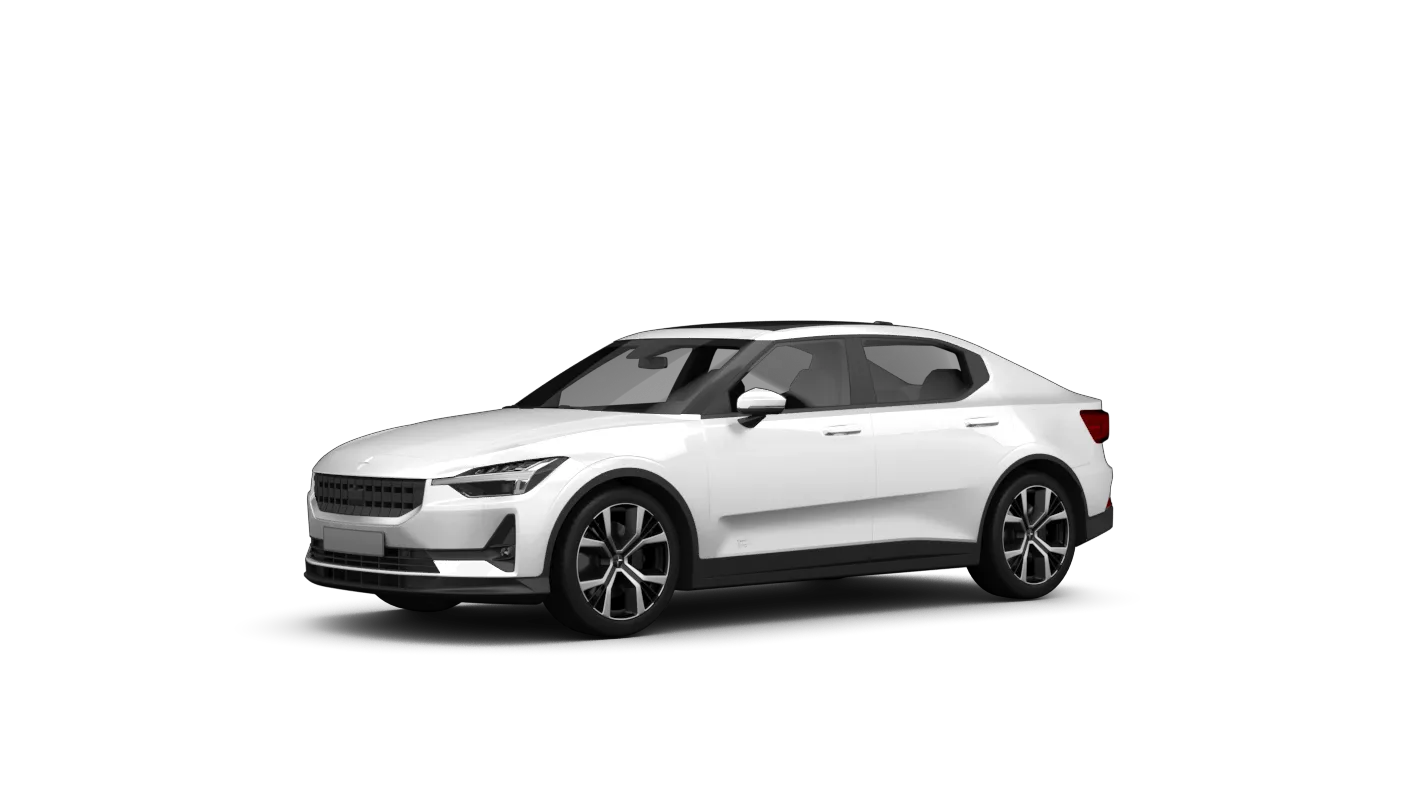
Electric sedans and compact vehicles
- Tesla Model 3: Tesla Model 3: Range up to 634 km, ideal for frequent field service drivers
- VW ID.3: VW ID.3: Compact electric car for city and short distances
- BMW iX1: BMW iX1: Premium electric SUV for executives
- Fiat 500e: Fiat 500e: maneuverable small electric car for inner-city use
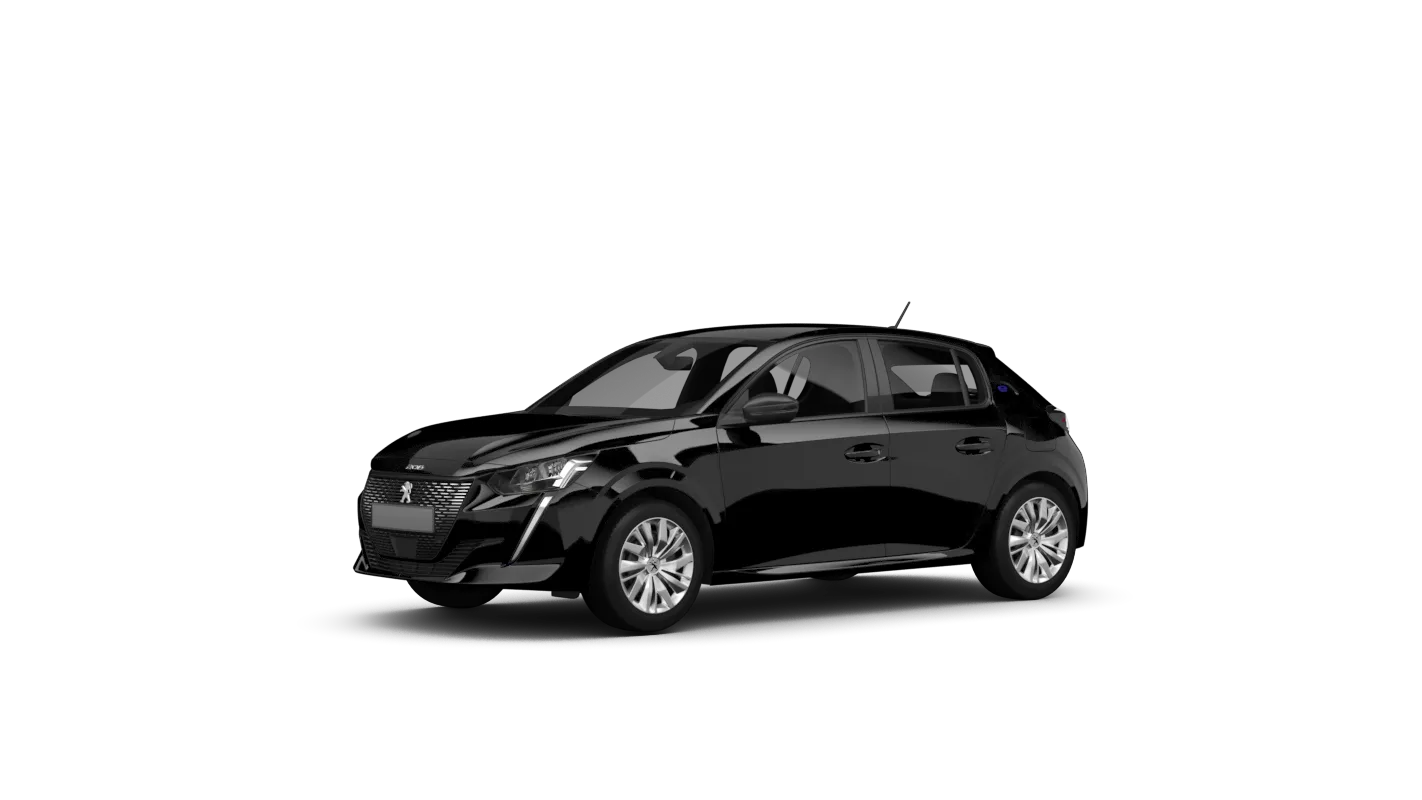
- Peugeot e-2008: Peugeot e-2008: Compact SUV with electric drive
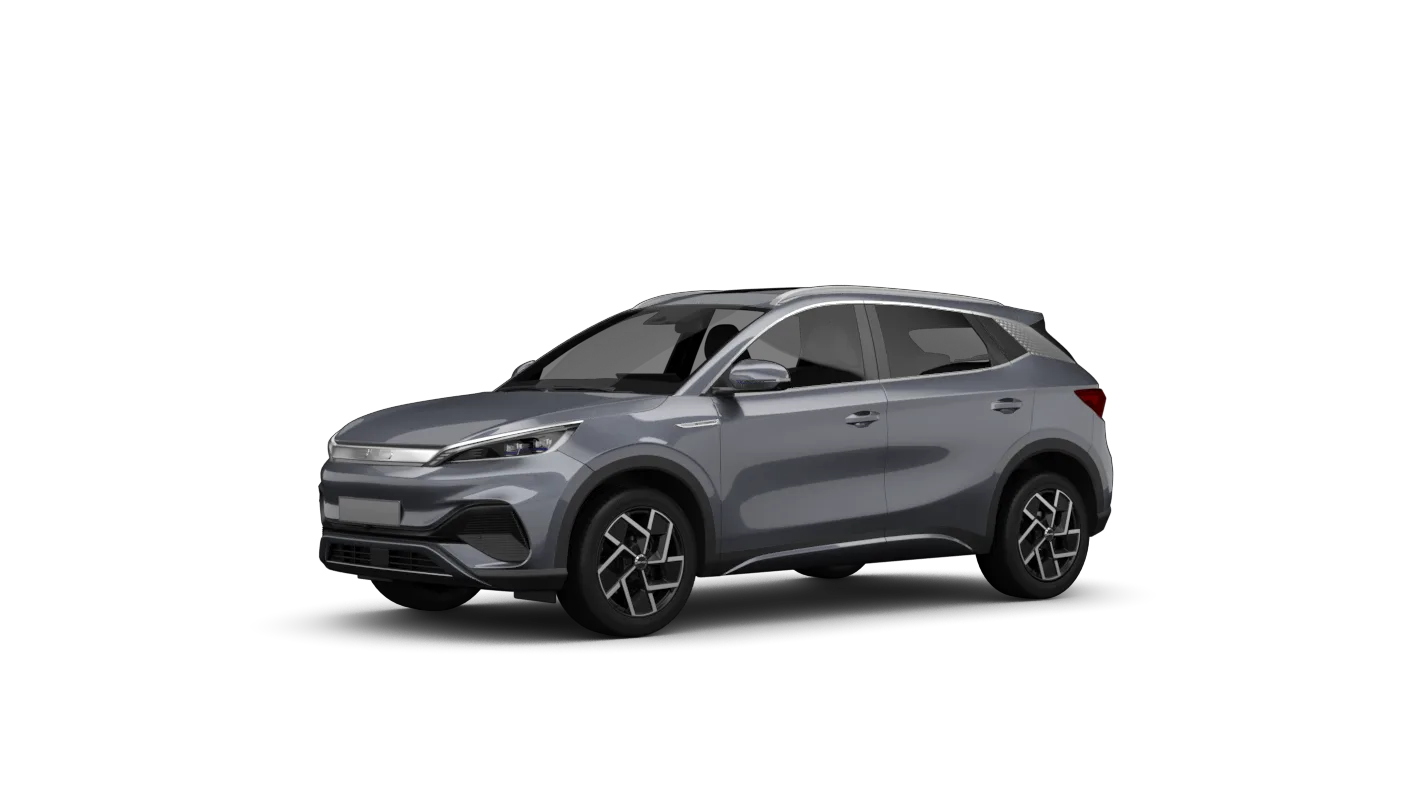
Electric SUVs
- Tesla Model Y: Tesla Model Y: Spacious electric SUV with plenty of room
- VW ID.4: VW ID.4: All-electric family SUV, also popular as a company car
- Hyundai KONA EV: Hyundai KONA EV: Compact SUV with spacious interior
Electric commercial vehicles
- Ford E-Transit: Ford E-Transit: Electric van for delivery traffic and trade
- Mercedes eSprinter: Mercedes eSprinter: Powerful e-transporter for high payloads
- Mercedes eVito: Mercedes eVito: Flexible electric van for a wide range of applications
- Opel Vivaro-e / Combo-e: Opel Vivaro-e / Combo-e: Compact electric vans for urban use
Model availability is constantly being expanded. For an up-to-date overview, speak to your personal advisor or visit the vehicle search at mhcmobility.de.
What is included in the monthly installment
The e-car long-term rental from MHC Mobility is an all-round carefree package: a fixed monthly rate that covers all vehicle and service-related costs.
- Registration and vehicle tax (exempt for purely electric vehicles until the end of 2030)
- Motor vehicle liability insurance and liability reduction
- Maintenance and wear and tear repairs
- Tire change
- UVV inspections
- 24-hour emergency service and replacement vehicle service
- Pick-up and delivery service
- Broadcasting fee
In addition, you only pay the charging costs. As electric vehicles are significantly cheaper to maintain than combustion engines (no oil change, no timing belt, no exhaust system), you benefit in particular from the all-inclusive logic of long-term rental.
Use e-car long-term rental for tax purposes
For commercial customers, the monthly rental installment is fully tax-deductible as a business expense. In contrast to a purchase, there is no investment item on the balance sheet.
The greatest tax advantage lies in the non-cash benefit rule for private use:
| Drive type | Tax rate (non-cash benefit) | Example: BLP 45,000 € |
| Combustion engine | 1.00 % of the BLP | 450 € / month |
| Plug-in hybrid | 0.50 % of the BLP | 225 € / month |
| E-car (BLP up to € 70,000) | 0.25 % of the BLP | 113 € / month |
For employees, this means that an electric company car for private use is much more attractive in terms of tax than a comparable combustion engine. In addition, purely electric vehicles are exempt from vehicle tax until the end of 2030.
Charging infrastructure for long-term electric car rental: From advice to the wallbox
The switch to e-mobility not only affects the vehicles, but also the question of where and how to charge them. MHC Mobility offers an integrated solution here: vehicle and charging infrastructure are planned and implemented in a coordinated manner.
Together with its partner LichtBlick, MHC Mobility covers the entire process chain:
- Consulting and planning: Checking the network requirements at your location and recommending the right solution.
- Installation: Installation of wallboxes at the company site or at the employee’s home, including cabling and ground work.
- Load management: Online tool for controlling charging points to avoid costly consumption peaks when several vehicles are charging at the same time.
- Automatic billing: Billing for charging electricity can also be organized for charging company cars at employees’ homes.
- Maintenance and service: Regular maintenance of the charging infrastructure and fast troubleshooting in the event of breakdowns, available nationwide.
- Charging on the move: Charge at over 550,000 charging points across Europe with the LichtBlick charging card.
This means that companies do not have to coordinate different service providers for vehicles, wallboxes and billing themselves. MHC Mobility bundles everything in an integrated e-mobility solution.
Fleet analysis: Which vehicles can be electrified?
Not every driving profile in the company is equally suitable for an electric vehicle. MHC Mobility therefore carries out fleet analyses and evaluates which vehicles in the fleet can be replaced economically and operationally by e-models. This is based on:
- Actual use and average mileage per vehicle
- ypical driving profiles (short distance, long distance, mixed)
- Area of application and service life
- Operational requirements for range and charging times
On this basis, a concrete recommendation is made as to which vehicles can be converted to electric drive immediately and where a gradual conversion makes more sense. In this way, you avoid making the wrong decisions and ensure that electrification works in everyday working life.
How much does an e-car long-term rental cost?
The monthly installment depends on the selected vehicle model, the term and the annual mileage. As all service-related costs are included in the installment, the monthly rate corresponds to the actual total costs per vehicle. There is no down payment, no basic fee and no final payment.
Companies should take the total cost of ownership into account when considering profitability:
- Electricity costs per kilometer are generally significantly lower than the fuel costs of a combustion engine
- Maintenance costs are lower as fewer wearing parts are installed
- The tax benefit (0.25 % non-cash benefit) reduces the costs for the employee
- The vehicle tax exemption until the end of 2030 saves another cost item
For companies that use several electric vehicles for long-term rental, MHC Mobility creates individual fleet calculations that take into account the vehicle mix, usage profiles and charging infrastructure.
E-car long-term rental and sustainability
For companies with a CSR strategy and sustainability goals, long-term e-car rental offers a concrete lever: the electrification of the vehicle fleet measurably reduces the CO2 footprint and can be directly reflected in sustainability reporting.
Companies also benefit from other sustainability effects:
- Electric vehicles drive locally emission-free and are approved for all inner-city environmental zones
- Lower noise pollution thanks to quiet electric drive, particularly relevant in urban delivery traffic
- Flexibility through long-term rental: Fleet size can be adapted to actual requirements instead of parking unused vehicles
Long-term rental makes it possible to plan for sustainability in the vehicle fleet, because it enables a changeover without companies having to finance a complete fleet conversion immediately.
E-car long-term rental vs. e-car purchase and leasing
Anyone looking to purchase electric vehicles for their fleet faces additional uncertainty compared to combustion vehicles: the technology is developing rapidly and the residual value of electric cars is more difficult to predict.
| Long-term rental | leasing | Purchase | |
| Capital commitment | None | Low (special payment possible) | High |
| Residual value risk | None | Dependent on the contract | Entirely with the company |
| Maintenance / Insurance | Included in installment | Usually separate | Separate |
| Technology change | New model can be selected after the term | Tied to contract | Sale with loss of value |
| Scalability | Flexibly expandable | Limited | Restricted |
The question arises: Is it better to rent, lease or buy an e-car? Long-term rental is therefore particularly suitable for getting started with e-mobility: You can try out electric vehicles in everyday life without committing to a model or a technology generation. At the end of the term, you can switch to a newer model and benefit from the advanced technology.
How long-term e-car rental works with MHC Mobility
MHC Mobility provides holistic support for companies switching to electromobility. The process comprises three phases:
- Consulting and analysis: Your current fleet is analyzed in the initial consultation. Which driving profiles are suitable for e-cars? What is the charging situation at your location? This forms the basis for a specific recommendation.
- Vehicle selection and contract: You choose the right e-model and agree on the term, mileage and services. After a credit check, you will receive an offer with a fixed monthly rate. The contract is signed digitally.
- Delivery and charging infrastructure: Your e-car will be delivered to a location of your choice or can be collected from one of the nine MHC Mobility Centers. At the same time, the charging infrastructure can be implemented at your company location or at your employees’ homes via our partner LichtBlick.
Corporations require an extract from the commercial register or a business registration for the credit check. Partnerships and sole traders submit a business registration, Schufa form and identity card.
About MHC Mobility
Your suitable provider for long-term e-car rental
MHC Mobility is one of the leading mobility service providers in Europe and is represented in seven countries. The company is part of the Mitsubishi HC Capital Group and has over 60 years of experience in commercial vehicle rental. In Germany, MHC Mobility operates nine of its own service centers and supports companies of all sizes. The e-mobility offering has been continuously expanded for years and, in addition to vehicles, also includes comprehensive advice on fleet electrification and charging infrastructure via its partner LichtBlick. Rainer Thies is the Managing Director.
If you have any questions about long-term e-car rental, please contact our sales department on +49 4286 7703 333 or use our contact form.
FAQ: Frequently asked questions about long-term e-car rental
MHC Mobility offers a cross-brand selection of electric cars and electric commercial vehicles. These include models from Tesla, VW, BMW, Hyundai, Fiat, Peugeot, Ford, Mercedes-Benz and Opel.
Not mandatory. E-cars can be charged at public charging stations and the manufacturer’s own networks. MHC Mobility offers an integrated solution via its partner LichtBlick for setting up a charging infrastructure at the company site or at home.
Pure electric vehicles are taxed at only 0.25% of the gross list price as a non-cash benefit if the BLP is less than €70,000. For combustion engines, the rate is 1%. In addition, the vehicle tax for purely electric cars will be abolished by the end of 2030.
Yes. Maintenance, wear and tear repairs, tire changes and all other service-related services are included in the monthly rate. E-cars also require less maintenance than combustion engines.
Yes. The monthly rental installment is fully tax-deductible as a business expense.
With SelectRent, terms generally start from 24 months. At the end of the contract, the vehicle can continue to be driven under the same conditions and can be terminated on a daily basis.
Yes. Long-term rental enables gradual electrification. You can start with a single vehicle and gradually increase the proportion of e-cars in your fleet.
Yes. MHC Mobility carries out fleet analyses and evaluates which vehicles can be replaced economically and operationally by e-models. The advice is brand-independent.
No. All offers and services from MHC Mobility are aimed exclusively at commercial customers.
Non-binding request for your long-term e-car rental
Give us your contact details and we will get back to you.
Thank you very much!
We have received your information and will contact you shortly.